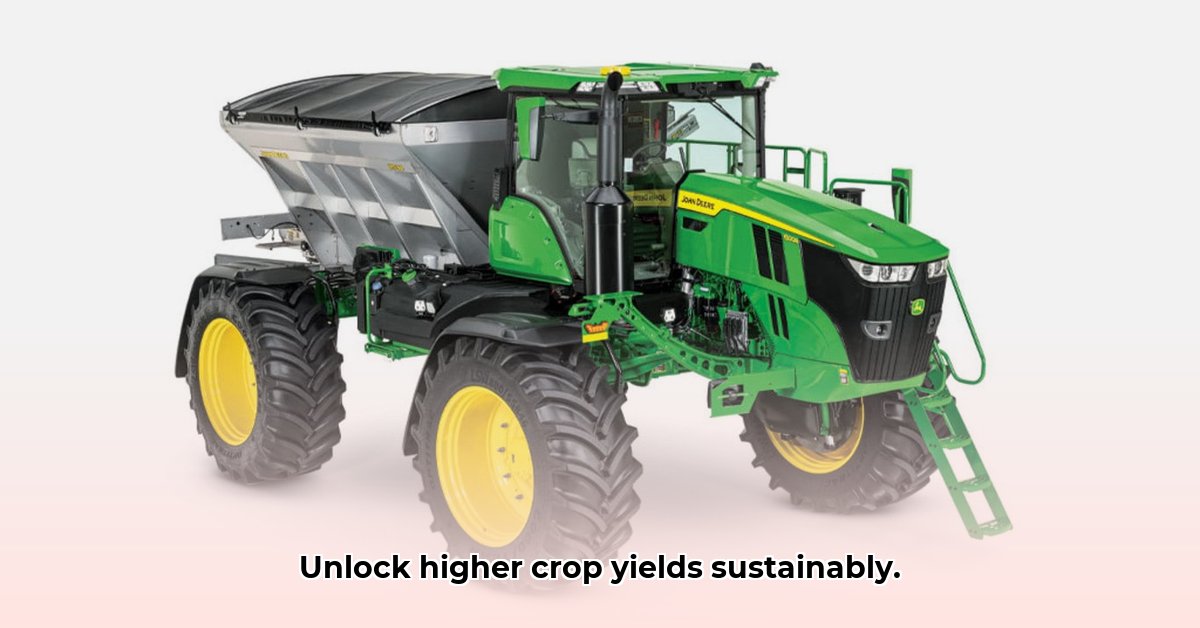
Precision farming is key to maximizing crop yields while minimizing environmental impact. Efficient fertilizer application is a cornerstone of this approach, and 3-point PTO fertilizer spreaders offer a powerful solution. This comprehensive guide equips you with the knowledge to select, install, operate, and maintain these crucial tools for sustainable agriculture. We'll explore the technical aspects, safety considerations, and environmental benefits, ensuring you can make informed decisions to optimize your farm's productivity and sustainability. For more on 3-point hitch implements, see this helpful resource.
Choosing the Right Fertilizer Spreader: A Tailored Approach
Selecting the right 3-point spreader involves careful consideration of several key factors. The wrong choice can lead to inefficiencies and wasted resources. Don't rush this process!
Farm Size and Crop Type: Larger farms often benefit from spreaders with larger hopper capacities (the amount of fertilizer the spreader holds), minimizing refill downtime. The type of crop dictates the fertilizer needs, influencing the spreader's required spread width and overall capacity. A wider spread width will cover more ground per pass and make for quicker fertilizer application, but accuracy should be considered as well.
Terrain Considerations: Uneven terrain demands a spreader designed for stability and consistent distribution. Hillside operations, for example, may require enhanced features found in more specialized models. Steeper farmland may require a spreader with features to prevent fertilizer from being unevenly dispersed.
PTO Horsepower Requirements: Always ensure your tractor possesses sufficient PTO (Power Take-Off) horsepower to operate the spreader efficiently without overloading. Cross-reference spreader specifications with your tractor's capabilities to avoid potential damage or breakdowns. Underpowering your spreader can harm your tractor's longevity.
Comparative Data: Before purchasing, research and compare different models from reputable manufacturers. Consider factors like build quality, warranty, and available support services. Online reviews and consultations with experienced farmers can provide valuable insights. A longer-lasting machine will ultimately save money in the long run compared to a cheaper, lower quality one that needs to be replaced more frequently.
Installing and Operating Your 3-Point Spreader: A Step-by-Step Guide
Correct installation is vital for safe and efficient operation. Failure to install correctly could lead to equipment damage, injury, and wasted resources.
- Hitch Engagement: Raise your tractor's 3-point hitch arms to their highest position.
- Alignment: Carefully position the spreader underneath the hitch, aligning the hitch pins with the spreader's receiving points.
- Secure Connection: Lower the hitch arms slowly, ensuring the pins are fully seated and the spreader is securely connected.
- PTO Shaft Connection: Connect the PTO shaft from the tractor to the spreader, ensuring correct alignment and secure coupling.
- Calibration: Calibrate the spreader meticulously to ensure uniform fertilizer distribution. Follow the instructions provided in your owner's manual; this typically involves test runs and adjustments to achieve the desired spread pattern and application rate.
- Operational Adjustments: Adjust settings based on fertilizer type, desired application rate, and field conditions.
Maintenance and Troubleshooting: Ensuring Peak Performance
Regular maintenance is paramount to extending the lifespan of your 3-point spreader and preventing costly repairs.
- Cleaning: Clean the hopper thoroughly after each use to prevent fertilizer buildup and corrosion.
- Lubrication: Lubricate moving parts according to the manufacturer's recommendations.
- Inspection: Regularly inspect chains, belts, and other components for signs of wear or damage. Replacing components that show significant wear reduces the risk of failure at inopportune times.
- Troubleshooting: Consult your owner's manual for guidance on resolving common issues. A quick response to small issues prevents them from becoming larger and more costly problems.
Integrating with Precision Technologies: Elevating Efficiency
Integrating precision technologies, such as GPS guidance and Variable Rate Technology (VRT), can significantly enhance the efficiency and sustainability of fertilizer application. These technologies offer considerable long-term benefits.
- GPS Guidance: GPS-guided spreaders ensure precise and consistent fertilizer distribution, minimizing overlaps and gaps. This also helps in covering irregularly shaped areas evenly.
- VRT (Variable Rate Technology): VRT allows for tailored fertilizer application based on varying soil conditions and crop requirements, optimizing nutrient use and minimizing waste.
How much can these technologies save you? The amount of reduced waste and improved yield will vary greatly depending on a variety of factors, but the benefits are generally significant enough to make these technologies worth the investment for many farmers.
Safety Considerations: Prioritizing Safety
Safe operation is non-negotiable. Always prioritize safety.
- Personal Protective Equipment (PPE): Always wear appropriate safety gear, including eye protection and gloves.
- Operating Procedures: Carefully follow the manufacturer's operating instructions.
- Maintenance Safety: Exercise extreme caution during maintenance and repairs to prevent injuries. Always disconnect the PTO before conducting any maintenance or repairs on the spreader.
Environmental Considerations: Sustainable Farming Practices
Precise fertilizer application directly contributes to environmental stewardship. Proper use minimizes fertilizer runoff and leaching, protecting water quality and soil health. VRT further enhances this by reducing overall fertilizer usage. Environmental protection is as crucial as maximizing yield.
Conclusion: Investing in a Sustainable Future
3-point PTO fertilizer spreaders represent a significant investment in sustainable farming practices. By carefully selecting the right spreader, following proper operating procedures, and incorporating precision technologies, you can dramatically enhance farm efficiency, boost crop yields, and minimize environmental impact. The long-term cost benefits and the contributions to environmental stewardship justify this investment. Consider the future of your farming operation and the health of the planet.